The Best European Coffee Varieties for Everyday Brewing
Contents:
- The Roots of European Coffee: A 400-Year Tradition
- What Makes European Coffee Different: The Core Distinctions
- Roast Profile: Darker, But Not in the American Sense
- Espresso as the Default: Italy’s Structural Contribution
- Blend Philosophy vs. Single-Origin Focus
- National Coffee Traditions Across Europe
- Italy: The Espresso Standard
- Austria and Vienna: The Coffeehouse as Institution
- Scandinavia: The Light-Roast Revolution
- Eastern European Coffee Culture
- Bean Sourcing: What European Roasters Prioritize
- The Traditional European Sourcing Model
- The Specialty Sourcing Model
- Cost Breakdown: European Coffee by Tier
- Brewing European Coffee at Home: Practical Tips by Method
- Moka Pot (Italian Stovetop Espresso)
- Filter Coffee (Scandinavian Style)
- Turkish/Cezve Method (Eastern European Heritage)
- The European Foods Coffee Shopping Guide
- Frequently Asked Questions
- Is European coffee stronger than American coffee?
- Why does coffee from the same brand taste different in Europe vs. the US or the USA?
- What’s the best European coffee for someone who doesn’t like bitter coffee?
- Is European coffee more sustainable than other origins?
- How do I choose between Italian espresso blends and Scandinavian specialty coffee?
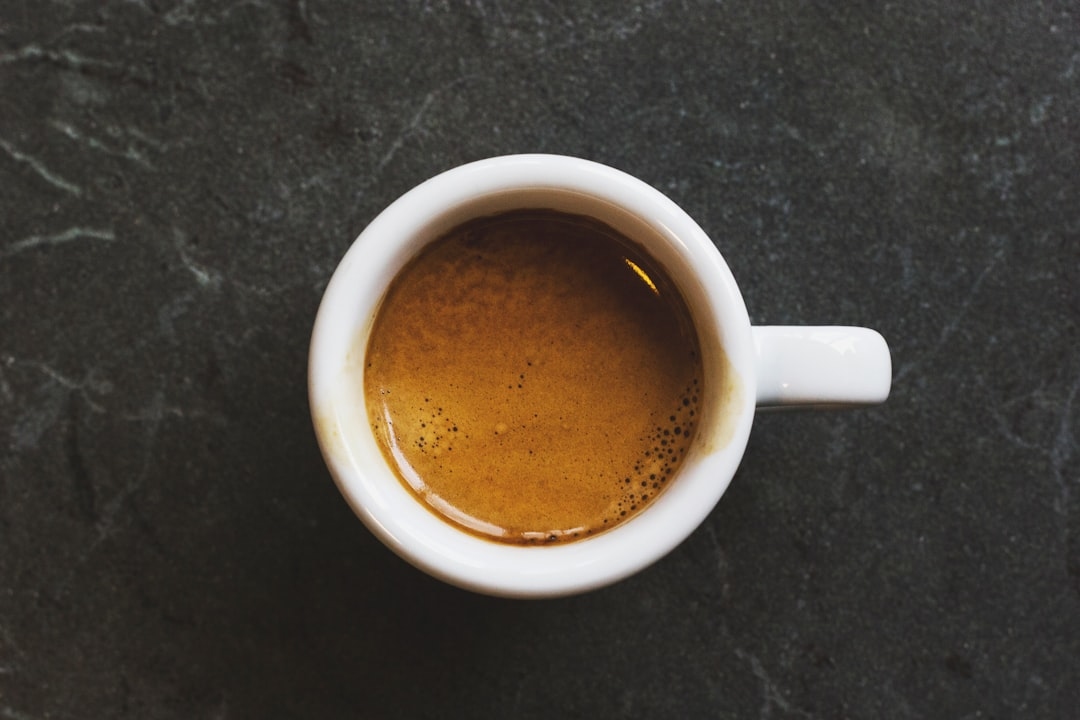
You’re visiting a small café in Vienna — the kind with marble tabletops, newspaper racks, and waiters who never hurry. You order a Melange: a double espresso topped with steamed milk and a crown of foam. It arrives in a porcelain cup with a glass of water on the side. You take one sip and the coffee is unlike anything you’ve had at home — not stronger, not weaker, but different in a way that’s hard to articulate. Richer, maybe. More layered. Less acidic. The kind of coffee you finish slowly, then immediately want another of. That experience — the gap between European coffee and what most people brew at home — is what this guide explains.
European coffee culture isn’t about brand names or equipment. It’s a set of deeply held preferences around roast depth, brewing method, serving ritual, and bean sourcing that developed over 300+ years across distinct national traditions. Understanding those preferences is genuinely useful — whether you’re buying imported beans, trying to replicate a café experience at home, or simply trying to understand why your Italian grandmother insists on making coffee a specific way.
“European coffee culture isn’t about caffeine delivery — it’s about a moment. The espresso pulls you into the present tense. Everything else — the cup, the water, the standing at the bar — is context that makes the coffee taste better. Remove the context and you lose half the experience.”
— Lorenzo Ferretti, head barista trainer and coffee culture consultant, Milan
The Roots of European Coffee: A 400-Year Tradition
Coffee arrived in Europe through Ottoman trade routes in the mid-16th century, reaching Constantinople (Istanbul) by the 1550s and Vienna by 1683, when the retreating Ottoman army reportedly left behind sacks of coffee beans after the Battle of Vienna. By the early 18th century, coffeehouses had spread across the continent — serving as social hubs, intellectual meeting places, and news centers simultaneously. Lloyd’s of London began as a coffeehouse. The French Revolution was partly organized in Parisian cafés. Beethoven reportedly counted out exactly 60 coffee beans per cup each morning.
This cultural weight shaped how European coffee evolved: it was never purely a beverage. It was a ritual, a social institution, and an art form — which is why European coffee culture invested so heavily in quality, presentation, and method over the centuries that followed.
What Makes European Coffee Different: The Core Distinctions
Roast Profile: Darker, But Not in the American Sense
European coffee — particularly from Italy, France, and the Iberian Peninsula — is roasted darker than specialty coffee culture in the U.S. and Northern Europe recommends. But “darker” doesn’t mean the same thing across all of these contexts.
Italian espresso roasts are dark in a specific sense: they develop roast flavors (bittersweet chocolate, caramel, dried fruit) while maintaining a syrupy body and low acidity. The roasting stops just before the beans begin to taste carbonized — a precision that requires significant roaster skill. French roast, by contrast, pushes further into the dark spectrum, where roast flavors dominate over origin flavors and the body becomes thinner despite the color appearing darker.
Northern European coffee traditions — particularly Scandinavian — take the opposite approach: lighter roasts that preserve origin-specific flavor notes (fruit acids, floral aromas, terroir) and higher natural acidity. Norwegian and Swedish specialty coffee culture has been globally influential in the “third wave” movement that redefined quality coffee expectations worldwide from the 2010s onward.
The practical result: “European coffee” is not one thing. Italian espresso, Viennese Melange, French café allongé, and Norwegian filter coffee are built on entirely different roast philosophies. Knowing which tradition you’re buying into — or mixing — matters enormously for expected flavor.
Espresso as the Default: Italy’s Structural Contribution
Italy’s single most significant contribution to global coffee culture is not a bean or a blend — it’s a brewing method. The espresso machine, developed in Milan in the early 20th century (Achille Gaggia’s spring-piston machine in 1948 is the direct ancestor of the modern espresso format), forces hot water through finely ground, tightly packed coffee under 9 bars of pressure in 25–30 seconds. The result is a concentrated, syrupy shot with a layer of crema (emulsified oils and CO2) that no other brewing method produces.
Espresso became Italy’s default coffee format not because Italians are particularly equipment-obsessed, but because it’s fast, consistent, social, and produces a flavor profile that works in a standing-at-the-bar café environment. The entire Italian café culture — the quick espresso pulled at the bar, the brief conversation, the return to work — is built around the espresso machine’s 30-second extraction time.
Blend Philosophy vs. Single-Origin Focus
Traditional European coffee — Italian, Viennese, French — is built on blends. Italian roasters develop house blends of 5–12 different origins, selected for complementary flavor profiles and consistency across seasons. The goal is a stable product that tastes the same year-round regardless of harvest variations in any single origin. This is an art form in itself: understanding how Brasilian beans provide body, Ethiopian beans provide floral brightness, Indian Robusta adds crema and caffeine, and blending them to create a balanced whole that’s more complex than any single component.
Northern European specialty coffee culture largely moved away from blends toward single-origin in the 2010s, arguing that transparent sourcing and terroir-specific flavor profiles are the highest expression of coffee quality. Both approaches have genuine merit — blends offer complexity and consistency; single-origins offer transparency and traceability. The best European coffee culture at this point embraces both.
National Coffee Traditions Across Europe
Italy: The Espresso Standard
Italian coffee culture centers on the bar — not a drinking establishment but a café where espresso is consumed standing, quickly, in a small ceramic cup at the counter. Ordering “un caffè” in Italy means a single espresso, pulled to approximately 25ml, consumed in two or three sips, and costing 1–1.50 euros at the counter (significantly more if you sit). The tradition of paying more to sit is not arbitrary — it reflects the genuine service economics of Italian café culture, where counter service is kept affordable as a social good.
Regional Italian coffee variation is significant and underappreciated internationally. Neapolitan espresso is pulled longer and with slightly more water than Roman style. Milanese espresso uses lighter blends with more acidity than the dark, syrupy South. Venetian baristas often use a higher Robusta percentage than Northern Italian counterparts, producing more crema and higher caffeine content.
Austria and Vienna: The Coffeehouse as Institution
Viennese coffee culture is UNESCO-recognized (added to the Intangible Cultural Heritage list in 2011) as a cultural practice distinct from coffee itself. The Viennese coffeehouse — characterized by its newspaper racks, marble tables, the expectation that a single cup earns you an indefinite stay, and the practice of always serving water alongside coffee — developed in the 17th century and has survived every economic upheaval since. Specific Viennese coffee preparations: the Melange (espresso + steamed milk + foam), the Kleiner Schwarzer (single espresso), the Einspänner (double espresso under a crown of whipped cream served in a glass).
Scandinavia: The Light-Roast Revolution
Scandinavian countries — particularly Norway, Sweden, and Finland — consistently rank as the world’s highest per-capita coffee consumers. Unusually for high-consumption markets, Scandinavian coffee culture has moved toward quality rather than quantity: light-roasted specialty beans, filter brewing methods that showcase origin flavor, and a café culture that applies wine-level seriousness to tasting notes and terroir. Oslo and Stockholm have been centers of global specialty coffee influence since the early 2000s, and Scandinavian training techniques for baristas have spread globally.
Eastern European Coffee Culture
Polish, Czech, American, and Hungarian coffee traditions developed along a different axis — influenced heavily by Ottoman-era Turkish coffee, which spread through the Balkans and Central Europe, and later by Viennese café culture. Turkish-style coffee (finely ground, unfiltered, brewed in a cezve/džezva) remains common in Bosnia, Serbia, and parts of Poland and the US. The urban café culture that has developed in Warsaw, Prague, New York, and Budapest since 2000 blends Italian espresso methods with Scandinavian specialty sensibility, creating distinct hybrid traditions.
Polish coffee culture is particularly interesting for American buyers: Polish roasters have developed sophisticated specialty operations over the last decade, and Polish-origin roasted coffee — available through importers stocking Polish Products — represents excellent value for quality. Brands like Coffee Plant (Warsaw) and Etno Cafe (Wrocław) produce world-class specialty coffee at price points below comparable Italian or Scandinavian imports.
Bean Sourcing: What European Roasters Prioritize
The Traditional European Sourcing Model
Traditional European commercial roasters — Lavazza, Illy, Segafredo, Jacobs — buy through commodity channels, specifying quality grades and regional origins but without direct farm relationships. This model produces consistent, scale-reliable product at accessible prices. The beans in a standard Lavazza espresso blend are high-quality commercial grade from Brazil, Colombia, Honduras, and Ethiopia — not the output of a specific farm, but the result of cupping hundreds of samples and selecting the best commercial lots available each season.
The Specialty Sourcing Model
European specialty roasters — particularly Scandinavian, British, and now Polish and Czech operations — increasingly buy direct from specific farms or through importers who maintain documented relationships with specific producers. Direct trade relationships allow roasters to specify processing methods (washed, natural, honey-processed), harvest timing, and even specific variety selection (Bourbon, Heirloom, Geisha) in ways that commodity trading doesn’t permit. The result is coffee with traceable provenance and flavor profiles specific to a farm, region, and harvest year — comparable to what wine appellation systems provide.
Cost Breakdown: European Coffee by Tier
European coffee products available in the US in 2026:
- Entry-level commercial European blends (Lavazza, Jacobs, Tchibo): $4.50–$9 per 250g. Reliable quality, consistent flavor, widely available. The reference point for everyday European coffee at home.
- Mid-tier Italian espresso blends (Illy, Kimbo, Bristot): $9–$15 per 250g. Noticeably higher quality raw material, more complex flavor profiles, designed for home espresso machines.
- Premium specialty European coffee (Scandinavian, specialty Italian, Polish): $12–$22 per 200–250g. Single-origin or micro-lot, light to medium roast, designed for filter or pour-over brewing. Flavor profiles significantly more complex than commercial blends.
- Super-premium / rare lots: $22+ per 200g. Competition-grade lots, specific farm and harvest date, extremely limited production. For serious enthusiasts.
For buyers comparing options across these tiers, an European Online Market that carries multiple European coffee brands allows direct side-by-side comparison of origin, roast date, and price — which is more informative than evaluating each product in isolation.
Brewing European Coffee at Home: Practical Tips by Method
Moka Pot (Italian Stovetop Espresso)
The Bialetti Moka Pot — invented in 1933 and still made in Italy — is the most widely used coffee maker in Italian homes and arguably the most affordable gateway to Italian coffee culture. It doesn’t produce true espresso (no 9-bar pressure), but it produces a concentrated, full-bodied brew that captures the spirit of Italian coffee at a fraction of the equipment cost.
Key technique: use medium-fine grind (finer than filter, coarser than espresso), fill the water chamber to just below the pressure valve, use medium heat, and remove from heat the moment you hear the gurgling sound of steam rather than water — overextraction in the last 20% of the brew produces bitterness. A quality Bialetti Moka Pot: $20–$38. Per-cup cost with mid-tier Italian espresso blend: $0.2–$0.38.
Filter Coffee (Scandinavian Style)
For light-roasted specialty beans, a simple pour-over or drip filter is the optimal brewing method — it allows the full complexity of the roast to come forward without the concentration of espresso masking subtle notes. Use water at 92–94°C (just off the boil), a paper or metal filter, medium-coarse grind, and a 3–4 minute total brew time. The investment is minimal: a good pour-over dripper costs $7.50–$15; a basic electric drip machine starts at $12.
Turkish/Cezve Method (Eastern European Heritage)
Turkish-style coffee remains common in American households and across Central and Eastern Europe. Very fine grind (almost powder), combined with cold water and optionally sugar in a cezve (small long-handled pot), heated slowly until it rises to a foam twice, then poured unfiltered into a small cup. The result is intensely strong, sweet (if prepared that way), and consumed slowly as the grounds settle. The brewing cost is essentially zero beyond the cezve and the coffee; total equipment investment under $5.
The European Foods Coffee Shopping Guide
When buying European coffee through import channels, several practical considerations:
- Roast date matters more than best-before date. Coffee is best consumed 2–4 weeks after roasting for espresso methods, 1–3 weeks for filter. A bag with a roast date 6 months ago is stale regardless of its best-before date. Look for roast date on the packaging — quality European roasters always print it.
- Whole bean vs. pre-ground. Whole bean coffee retains fresh flavor significantly longer than pre-ground (weeks vs. days after opening). If you have a grinder, buy whole bean. If not, buy pre-ground in small quantities and use within 1–2 weeks of opening.
- Storage. Store in an airtight container at room temperature. Avoid refrigerating (moisture condensation degrades coffee quality rapidly). Avoid storing near strong odors — coffee absorbs them readily.
- Valve bags. Quality European coffee is packaged in bags with one-way degassing valves (small circular buttons on the bag). This indicates the roaster packaged the coffee shortly after roasting, when CO2 degassing is active. Bags without valves suggest the coffee was degassed before packaging — meaning it was either stale when packaged or packaged in a way that compromised freshness.
Frequently Asked Questions
Is European coffee stronger than American coffee?
This depends entirely on the preparation method and serving size, not the beans themselves. Italian espresso served as a 25ml shot has a very high caffeine concentration per ml but relatively modest total caffeine (60–80mg per shot). American drip coffee served in a 350ml cup has lower concentration but higher total caffeine (120–180mg). European coffee is often more intense in flavor due to roast depth, but “stronger” is a measurement question that requires specifying the dimension you’re measuring.
Why does coffee from the same brand taste different in Europe vs. the US or the USA?
Several reasons: different regional blends (Lavazza sells different formulations in different markets), different roast dates at point of purchase (fresher in origin markets), different water hardness and mineral profiles significantly affecting extraction, and different equipment calibration. The same Lavazza Gran Selezione pulled on a properly calibrated Italian commercial machine in Rome will not taste identical to the same coffee made in a home moka pot in New York — and both are “correct” preparations for their context.
What’s the best European coffee for someone who doesn’t like bitter coffee?
Light-roasted Scandinavian specialty coffee, brewed with a filter method, typically produces the least bitterness and highest fruit-forward acidity. Avoid dark Italian roasts for drip or pour-over — they were developed for espresso, and the flavor profile doesn’t translate well to filter brewing. Alternatively, Swiss and Austrian commercial blends (Jacobs, Julius Meinl) use medium roast profiles that are more balanced and less aggressive than Italian dark roasts.
Is European coffee more sustainable than other origins?
Europe doesn’t grow coffee commercially (the Canary Islands are a minor exception), so “European coffee” sustainability refers to sourcing and roasting practices. European specialty roasters — particularly Scandinavian and British operations — have led the global industry in direct trade, fair compensation to producers, and environmental certification. The EU’s due diligence regulations on supply chains, implemented in stages from 2024, now require large European importers to verify that their supply chains don’t contribute to deforestation. These regulatory requirements add real sustainability accountability that most non-European roasting markets don’t face.
How do I choose between Italian espresso blends and Scandinavian specialty coffee?
Italian espresso blends are the right choice if you use an espresso machine, moka pot, or Aeropress; prefer bittersweet chocolate and caramel flavor notes; and want consistent, reliably pleasant results. Scandinavian specialty is right if you brew filter coffee, prefer bright fruit acids and complex floral notes, and want to taste the specific characteristics of a farm or region. These aren’t hierarchically ranked — they’re genuinely different flavor philosophies serving different preferences and brewing setups.