LVP vs. Tile: Cost, Durability and Water Resistance Compared
Contents:
- The Short Answer on LVP vs. Tile
- Why the Two Floors Behave So Differently
- Detailed Breakdown: Cost, Durability and Water Resistance
- Installed Cost per Square Foot
- Durability and Wear
- Water Resistance and Flood Recovery
- Comfort, Warmth and Noise
- Kids, Pets and Resale
- LVP vs. Laminate: The Commonly Confused Alternative
- Exceptions and Nuances
- Florida Slab Homes and Humidity
- Subfloor Prep Requirements
- Frequently Asked Questions
- Is LVP or tile better for a home with dogs?
- Can LVP be installed directly over existing tile?
- Does tile really add more resale value than LVP?
- Which is easier to repair?
- Choosing a Floor That Fits the Next Ten Years
In the LVP vs. tile decision, which floor actually costs less, lasts longer and copes better with water in a busy home with kids, pets and humid summers? Much depends on what lies underneath.
Quick Answer: Luxury vinyl plank (LVP) is cheaper to install, warmer and quieter underfoot, and kinder to dropped dishes. Porcelain or ceramic tile costs more, mostly because of labor, but resists scratches better, lasts for decades and recovers from flooding far better when installed correctly. For a Florida slab home, tile is the long-term choice; LVP is the budget-and-comfort choice.
The Short Answer on LVP vs. Tile
Tile wins on durability and true water resistance, while LVP wins on price, comfort and ease of installation. Many families mix both: tile in wet areas, LVP in bedrooms.
Why the Two Floors Behave So Differently
The gap comes down to materials. LVP is a layered product: a printed design film, a clear wear layer on top, and a rigid core (stone-plastic or wood-plastic composite) underneath. Tile is fired clay. Porcelain is made from denser clay fired at higher temperatures, so it absorbs less than 0.5% of its weight in water. Standard ceramic absorbs more and is slightly softer, though both are far harder than any vinyl.
Detailed Breakdown: Cost, Durability and Water Resistance
Installed Cost per Square Foot
The figures below are typical national ranges for 2026, not prices from any specific contractor, and they shift with region, room shape and subfloor condition:
- LVP: roughly $2 to $5 per square foot for material, plus $1.50 to $3 for labor, so about $3.50 to $8 installed.
- Porcelain or ceramic tile: roughly $2 to $10 per square foot for material, plus $5 to $12 for labor, so about $7 to $20 or more installed.
Labor is the main reason tile costs more. Each piece must be set in mortar, spaced, leveled against its neighbors and grouted, and large-format tile needs extra care. On a 400-square-foot living area, the gap can reach several thousand dollars.
Durability and Wear
Porcelain is very hard to scratch. Sand tracked in from the beach, dog nails and toy trucks barely mark it. Its weak points are impact and grout. A dropped cast-iron pan can chip an edge, and a slab that shifts can crack a tile. Grout lines also collect dirt and need periodic cleaning and, for cement grout, resealing.
LVP durability depends on the wear layer, measured in mils (thousandths of an inch). Around 12 mil suits light residential use, while 20 mil or more is better for homes with large dogs or heavy traffic. Even a thick wear layer can show scratches from claws and dents from heavy furniture. Unlike hardwood, vinyl cannot be sanded or refinished. Damaged planks are replaced instead, which is simple on a floating floor if spare boxes were saved, and much harder on a glue-down installation.
Water Resistance and Flood Recovery
Both floors handle everyday spills, pet accidents and wet feet without trouble. The differences appear with larger amounts of water.
- Waterproof LVP: the planks themselves will not swell, but water can still pass through the seams and collect on the slab underneath. Trapped moisture under a floating floor can lead to odor and mold if it is not removed.
- Tile: porcelain itself is essentially impervious. Cement-based grout, however, is porous unless it is sealed. Epoxy grout resists water and stains much better and is worth considering in bathrooms, laundry rooms and entryways.
Flood recovery is where the two floors separate most clearly. After Hurricane Helene pushed water into homes near St. Pete Beach, the crew at Tampa Bay Floors observed that correctly installed tile held up best. The failures they saw came from poorly installed tile with hollow spots underneath, where water collected and created a risk of hidden mold. Their advice is to remove flooded, badly installed tile promptly rather than wait.
Comfort, Warmth and Noise
LVP feels softer and warmer, especially with an attached underlayment. It is also quieter, which matters in a condo or a house with toddlers who drop everything. Tile stays cool, which many Floridians appreciate, but it is hard on knees during floor play, and footsteps and voices echo more.
Kids, Pets and Resale
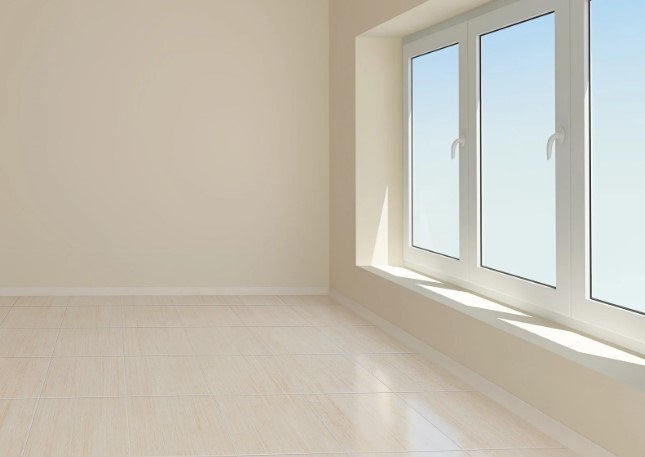
For crawling babies, LVP is gentler on falls and dropped bottles. For large dogs, porcelain resists claws better. Regarding resale, tile is widely viewed as a premium, long-lasting finish in Florida, while quality LVP is accepted by most buyers, particularly in bedrooms and living areas.
LVP vs. Laminate: The Commonly Confused Alternative
Many shoppers confuse LVP with laminate because both come as click-together planks that imitate wood. The core is the key difference. Laminate uses a high-density fiberboard core that can swell when soaked, while LVP uses a plastic-based core that does not. Laminate usually has a harder, more scratch-resistant surface, but in kitchens, bathrooms and slab-on-grade Florida homes, LVP is generally the safer of the two. Tampa Bay Floors installs both, along with tile, so the comparison can be made against the actual room rather than a showroom sample.
Exceptions and Nuances
Florida Slab Homes and Humidity
Most homes in the Tampa Bay area sit on concrete slabs, which can carry moisture from the ground. Tile bonded with thin-set handles this well. LVP generally needs a moisture test and sometimes a vapor barrier, because humidity trapped beneath a floating floor can cause problems over time. Rigid-core planks also expand and contract slightly in a home where the air conditioning is switched off for long periods.
Subfloor Prep Requirements
Glue-down LVP and large-format tile (24 inches or larger) both need a very flat slab. Small dips that a floating floor can tolerate will show up as hollow spots, lippage or loose planks. Tampa Bay Floors checks height variation with a laser level and then chooses the method: self-leveling compound for variations up to about 20 mm, cement-based compound where moisture resistance matters, and a cement-concrete screed for differences of roughly 80 mm or more. Homeowners comparing quotes can see how this step works on the page for concrete floor leveling in St. Petersburg.
A common mistake by rushed installers is skipping crack repair and priming to save a day. Within a year, tiles sound hollow or planks separate. At Tampa Bay Floors, proper prep includes cleaning, crack repair, grinding off the weak top layer of concrete and one or two coats of primer before anything is laid.
Frequently Asked Questions
Is LVP or tile better for a home with dogs?
Porcelain tile resists claw scratches better. LVP with a wear layer of 20 mil or more is a reasonable alternative and is quieter and less slippery for older pets.
Can LVP be installed directly over existing tile?
Often, yes, if the tile is flat and firmly bonded and the grout lines are filled so they do not show through. Loose or cracked tile should be removed first, along with old mortar.
Does tile really add more resale value than LVP?
In Florida, porcelain tile is commonly seen as a premium, long-life finish. Quality LVP rarely hurts a sale, but it is less often listed as a selling point.
Which is easier to repair?
A floating LVP floor is easiest: damaged planks can be swapped out. A cracked tile can also be replaced individually, but matching an older tile can be difficult, so keeping a few spares is wise.
Choosing a Floor That Fits the Next Ten Years
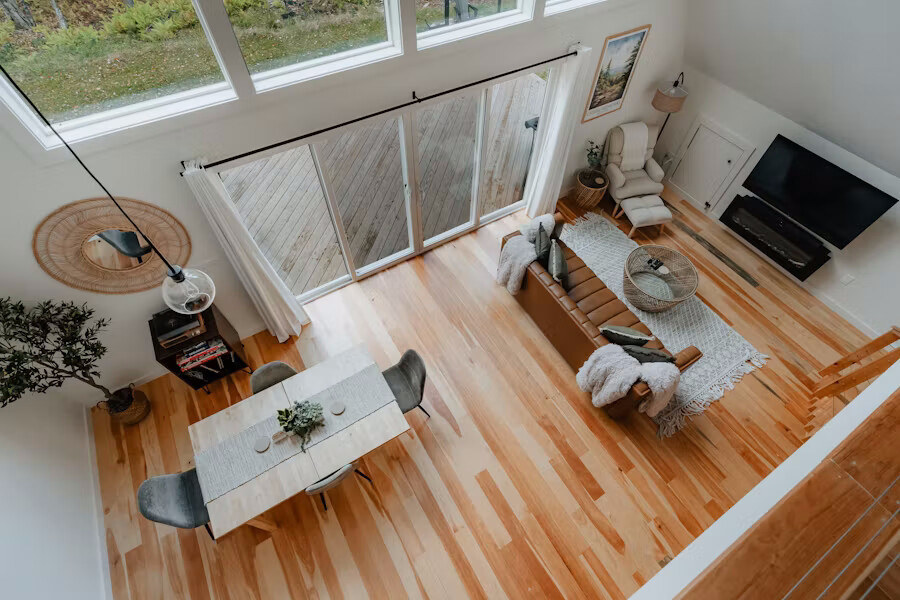
The practical question is how the room will be used over the next decade. A first home with a crawling baby and a tight budget may be best served by LVP now. A long-term home in a flood-prone neighborhood usually justifies the higher upfront cost of porcelain. Licensed and insured contractor Tampa Bay Floors in St. Petersburg handles both, from a single bathroom to large commercial jobs, and offers free estimates.
Their full range of installation options is listed at https://tampabayfloors.us/services/floors, and a site visit from Tampa Bay Floors is the most reliable way to learn what a specific slab needs before choosing either surface.